


Hit By Drunk Driver Lawyer: My 5 Insider Warnings Before You Pay & Maximizing Lawsuit ROI
Retaining a hit by drunk driver lawyer is a high-stakes financial and legal decision. The critical risks involve immediate evidence spoliation, lowball insurance settlements, and navigating complex underinsured motorist limits. Professional execution directly impacts your ROI by transitioning a standard auto claim into a high-value tort case, leveraging punitive damages and multi-party liability to secure maximum financial recovery.
Here are the Top 3 Decision Factors when mitigating the fallout of an impaired driving collision:
Asset & Insurance Tracing: Identifying if the tortfeasor has sufficient umbrella policies or liquid assets to cover catastrophic damages.
Dram Shop Liability: Expanding the defendant pool to include commercial entities (bars, restaurants) that over-served the driver.
Punitive Damage Multipliers: Utilizing the criminal nature of the DUI/DWI to force early, above-market settlements from liability carriers terrified of jury verdicts.
[Continue reading to see the fully tabulated cost breakdown and risk analysis…]
The Executive Cost Baseline and Outcome Projection
When evaluating the necessity of specialized legal counsel, corporate and high-net-worth individuals must rely on hard data. The table below outlines the baseline costs associated with prosecuting an impaired driver and the expected return on investment when executing a highly structured legal strategy.
| Risk/Service Factor | Verified Market Baseline/Cost | ROI/Outcome Potential |
| Contingency Fee Structure | 33.3% pre-litigation; 40% post-filing | 300%+ increase in net settlement vs. unrepresented claims |
| Accident Reconstructionist | $3,500 – $10,000 retainer | Defeats comparative negligence defenses; secures liability |
| Toxicologist Expert Witness | $4,000 – $8,000 per trial/deposition | Proves extreme intoxication to unlock punitive damage caps |
| Asset Investigation | $500 – $2,500 per skip-trace | Uncovers hidden wealth if the tortfeasor is underinsured |
The Triggering Event: What Happens if a Drunk Driver Hits Your Car
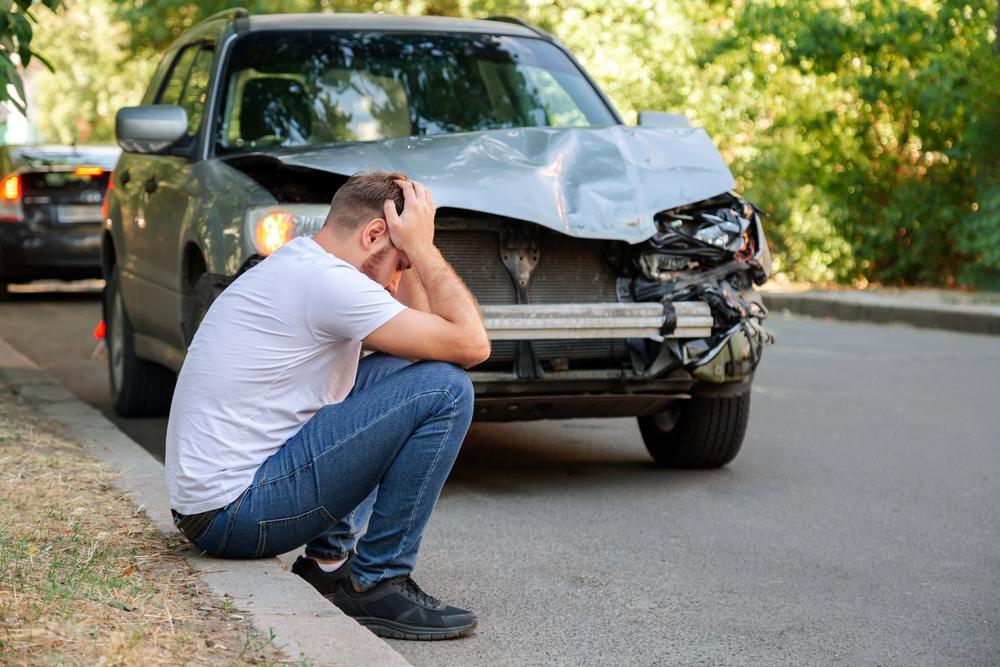
From a risk-management perspective, understanding exactly what happens if a drunk driver hits your car is critical to preserving your financial rights. The moment an impaired driver strikes your vehicle, the legal landscape shifts from a standard negligence claim to a gross negligence and intentional tort scenario.
Immediately following the collision, the primary objective is liability lock-in. Law enforcement will conduct field sobriety and blood alcohol concentration (BAC) tests. These criminal investigations serve as the foundational leverage for your civil claim. However, police do not collect evidence for your financial benefit; they collect it for state prosecution. A specialized hit by drunk driver lawyer will immediately issue spoliation letters to preserve dashcam footage, electronic control module (black box) data, and nearby surveillance video before it is overwritten or destroyed.
If you are wondering what to do if a drunk driver hits your car, the professional protocol is strict: seek immediate medical evaluation to establish a baseline of physical damages, refuse any recorded statements with the opposing insurance carrier, and deploy legal counsel to quarantine the communication. Any deviation from this protocol allows the defense to begin mitigating their financial exposure at your expense.
Civil vs. Criminal Liability: Can You Sue a Drunk Driver for Hitting You?
Clients frequently ask, can you sue a drunk driver for hitting you even if they are already facing criminal charges? The definitive answer is yes. It is imperative to separate the state’s criminal prosecution from your private civil recovery.
The criminal justice system seeks to penalize the driver through incarceration, fines, and license suspension. It does not exist to compensate you for medical expenditures, diminished earning capacity, or long-term rehabilitation. Therefore, knowing that can you sue a drunk driver is an affirmative reality, the strategy involves running parallel to the criminal case.
A competent hit by drunk driver lawyer will utilize the criminal proceedings as free discovery. The burden of proof in criminal court is “beyond a reasonable doubt.” In a civil lawsuit, it is merely a “preponderance of the evidence” (meaning it is more likely than not that the driver was at fault). If the state secures a DUI conviction, civil liability is essentially fast-tracked through the doctrine of negligence per se. Even if the driver is acquitted on a technicality in criminal court, the lower burden of proof in civil court means your counsel can still secure a massive financial judgment against them.
The Financial Architecture of a Hit By Drunk Driver Lawsuit
Filing a standard insurance claim is a defensive maneuver; executing a hit by drunk driver lawsuit is an offensive strategy aimed at asset extraction and maximum indemnification.
In a standard auto collision, damages are restricted to compensatory figures: medical bills, property repair, and standard pain and suffering. However, collisions involving intoxication unlock a highly lucrative legal mechanism known as punitive damages (or exemplary damages). Punitive damages are not designed to compensate the victim; they are designed to punish the tortfeasor for gross, reckless disregard for human life.
Insurance carriers are terrified of punitive damages because juries tend to award exorbitant sums when punishing drunk drivers. A verified hit by drunk driver lawyer leverages this fear to bypass lowball settlement algorithms (like Colossus) used by major insurers. The threat of exposing the insurance company’s client to a crippling public jury verdict forces the carrier to offer premium settlements during the pre-litigation phase.
Furthermore, a comprehensive lawsuit expands the defendant pool. Under Dram Shop laws in many jurisdictions, liability is not limited to the driver. If a bar, restaurant, or commercial venue over-served an explicitly intoxicated patron, that corporate entity can be named as a defendant. This allows your legal team to bypass the driver’s limited auto policy and tap into the $1,000,000+ commercial general liability (CGL) policies of the hospitality group.
Legal and Financial Infrastructure
To successfully navigate the complexities of catastrophic injury litigation, strict adherence to procedural milestones is required. The following matrix details the professional execution required by your legal team.
| Legal/Financial Step | Industry Compliance Requirement | Strategic Advantage for the Client |
| Issuing Spoliation Letters | 48-hour deadline post-collision | Prevents destruction of critical digital and toxicological data |
| First-Party UM/UIM Filing | Policy-specific notification windows (often 30 days) | Secures baseline capital if tortfeasor lacks adequate indemnity |
| Dram Shop Investigation | State-specific liquor liability statutes | Taps into $1M+ commercial insurance policies of offending venues |
| Subrogation Management | ERISA and Medicare/Medicaid lien rules | Protects the final settlement from aggressive healthcare clawbacks |
Navigating the Uninsured Crisis: Hit By Drunk Driver Without Insurance
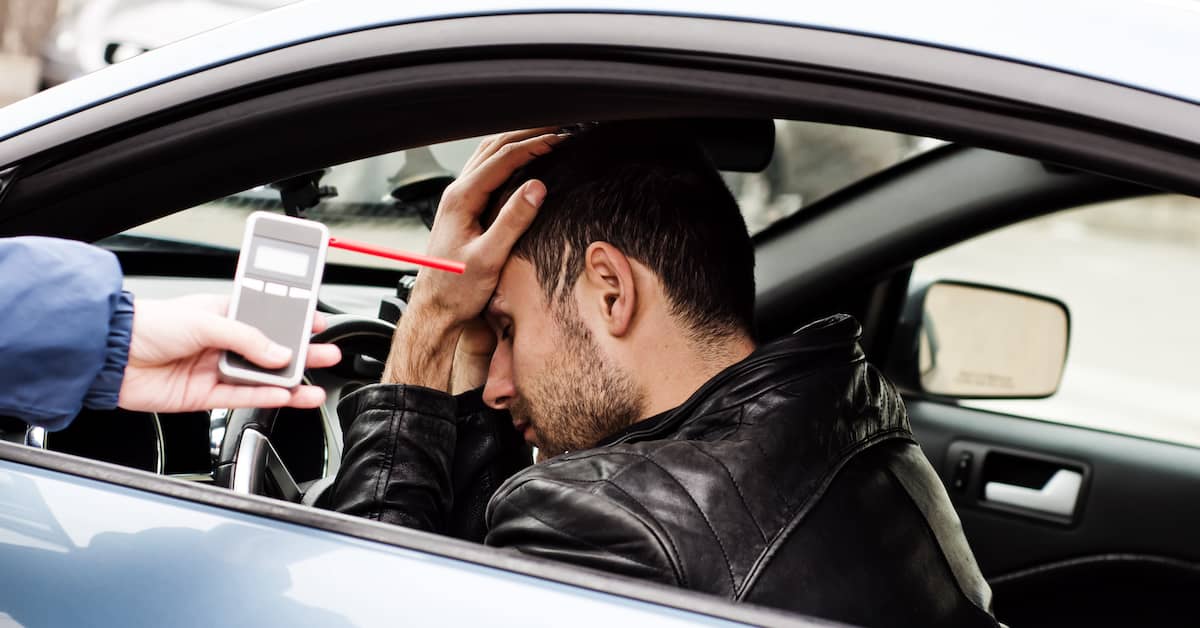
The most severe financial vulnerability in these incidents is the statistical probability that the intoxicated driver is underinsured or entirely uninsured. The immediate question becomes: can you sue a drunk driver with no insurance?
Technically, yes. You can secure a civil judgment against anyone. However, from an elite analytical perspective, a piece of paper declaring you are owed $500,000 is worthless if the defendant is “judgment proof” (possessing no liquid assets, equity, or garnishable wages). If you are hit by drunk driver without insurance, suing the driver directly for their personal assets is often a secondary or tertiary strategy.
The primary financial solution when facing a tortfeasor with zero liability coverage is the execution of a First-Party claim against your own Uninsured/Underinsured Motorist (UM/UIM) policy. This is where retaining a hit by drunk driver lawyer becomes mandatory. Your own insurance carrier will immediately adopt an adversarial posture the moment you file a high-value UM claim. They will dispute the severity of your injuries and attempt to minimize your payout to protect their underwriting margins.
Your legal counsel will force your carrier to honor their fiduciary duty, utilizing the exact same aggressive litigation tactics against your own insurer that they would against a third party. If your insurer operates in bad faith during this process, your attorney can file a secondary Bad Faith Insurance claim, potentially unlocking damages far exceeding the original policy limits.
The Subrogation Threat and Settlement Protection
Securing a high-value settlement is only the first phase of financial recovery; protecting that capital from institutional clawbacks is the second. If your private health insurance, Medicare, or ERISA plan paid for your trauma care following the accident, they maintain a legal right of subrogation. This means they are legally entitled to be reimbursed from your lawsuit settlement.
Unrepresented victims often receive a seemingly large settlement check, only to have their health insurance provider place a lien on the entirety of the funds, leaving the victim with zero net capital. A sophisticated hit by drunk driver lawyer conducts aggressive lien reduction negotiations. By challenging the billing codes, applying the “made whole” doctrine, and auditing the institutional ledgers, elite legal counsel can routinely slash subrogation liens by 40% to 60%, drastically increasing the tax-free liquidity deposited directly into the client’s accounts.
Frequently Asked Questions on Drunk Driving Collisions
Q: What should I say to the at-fault driver’s insurance adjuster when they call?
A: Absolutely nothing. Insurance adjusters are highly trained risk-mitigation specialists whose sole objective is to solicit recorded statements that compromise your liability standing. Direct all communications to your hit by drunk driver lawyer. Any statement you provide, even innocent apologies or underestimating your physical pain hours after the crash, will be weaponized to devalue your claim.
Q: Can you sue a drunk driver for hitting you if they were driving a stolen or borrowed vehicle?
A: Yes, but the liability architecture changes. If the vehicle was borrowed with permission, the vehicle owner’s insurance policy generally serves as the primary layer of indemnity under the doctrine of permissive use, while the driver’s policy serves as secondary. If the vehicle was stolen, the owner’s policy is usually voided, requiring your legal team to pivot to your UM/UIM coverage or hunt for Dram Shop liability.
Q: How much does a hit by drunk driver lawsuit actually cost out-of-pocket?
A: Zero out-of-pocket capital is required when dealing with elite personal injury firms. They operate strictly on a contingency fee basis, meaning they finance the entirety of the litigation—including expert witness retainers, forensic engineering, and court filing fees. They assume 100% of the financial risk. In return, the firm takes a percentage (typically 33.3% to 40%) of the final gross recovery. If they fail to secure capital, you owe them nothing.
Q: What happens if a drunk driver hits your car and kills a family member?
A: The legal classification elevates from a standard personal injury tort to a Wrongful Death lawsuit. In these scenarios, the estate of the deceased, alongside immediate statutory beneficiaries (spouses, children, parents), files the suit. Damages expand to include loss of consortium, loss of future inherited wealth, funeral expenses, and extreme punitive multipliers. A hit by drunk driver lawyer specializing in wrongful death will calculate the lifetime earning trajectory of the deceased to formulate a multi-million-dollar demand.
Q: Can you sue a drunk driver with no insurance if they have significant personal assets?
A: Yes. If a forensic asset investigation reveals that the uninsured driver possesses real estate, luxury vehicles, business equities, or significant capital in brokerage accounts, your legal counsel will file suit and immediately seek a pre-judgment writ of attachment or garnishment. This legally freezes their assets so they cannot hide or transfer their wealth offshore while the litigation is pending.
Market Authority Verdict
Verdict: Retaining specialized legal counsel after an impaired driving collision is a Must-Have for Professional Growth and Asset Protection. Attempting to navigate the predatory algorithms of liability carriers, the complexities of ERISA subrogation, and the evidence-gathering required for punitive damages without legal architecture guarantees a massive forfeiture of capital. The contingency fee model ensures that the interests of the attorney and the client are perfectly aligned toward maximizing the financial extraction from the at-fault parties.
Financial Pro Tip: Do not wait for a catastrophe to assess your exposure. Immediately contact your auto insurance broker and maximize your Uninsured/Underinsured Motorist (UM/UIM) limits. Increasing a UM policy from $50,000 to $500,000 or even $1,000,000 often costs only a few dollars extra per month. It is the cheapest, highest-yield risk mitigation strategy available against the statistical certainty of sharing the road with underinsured, intoxicated drivers.