

Once upon a time in New York City, I completed my shift in Midtown Manhattan and boarded a crowded subway train to head home.
Videos by TravelAwaits
I unintentionally stepped on the edge of someone’s shoe while finding a seat. The individual shot a fierce glare my way, clenching their fist with an intensity that was palpable.
I kept my head down, quietly observing which hand they were using for clenching just in case things escalated. (Always watch for the dominant hand, folks!)
Meanwhile, I couldn’t help but notice the shoes in question. They were the ugliest pair I’d seen in ages—and it astonished me that someone would be ready to throw a punch over those shoes.
Fortunately, I exited the train without any drama.
This wasn’t my first rodeo with chaos on the New York City Subway.
It also wasn’t the most intense encounter I’ve experienced underground.
Years earlier, during my initial month in the city, another lanky subway rider and I managed to snag the last available spots in a packed Midtown train station. An upset large man sidled up to us, irritated that he’d lost his spot to us.
He glared at the person beside me and unleashed one of the most shockingly racist remarks I’ve ever heard. (Utterly stunning.)
Then he turned to me and, grimacing, burped right in my direction. I realize it might be exaggerated to say I was subjected to a biological attack, but I’m at a loss for words. I suppose I should feel fortunate he didn’t throw up.
Welcome to the New York City Subway, America’s last bastion of the Wild West.
Don’t fear the subway
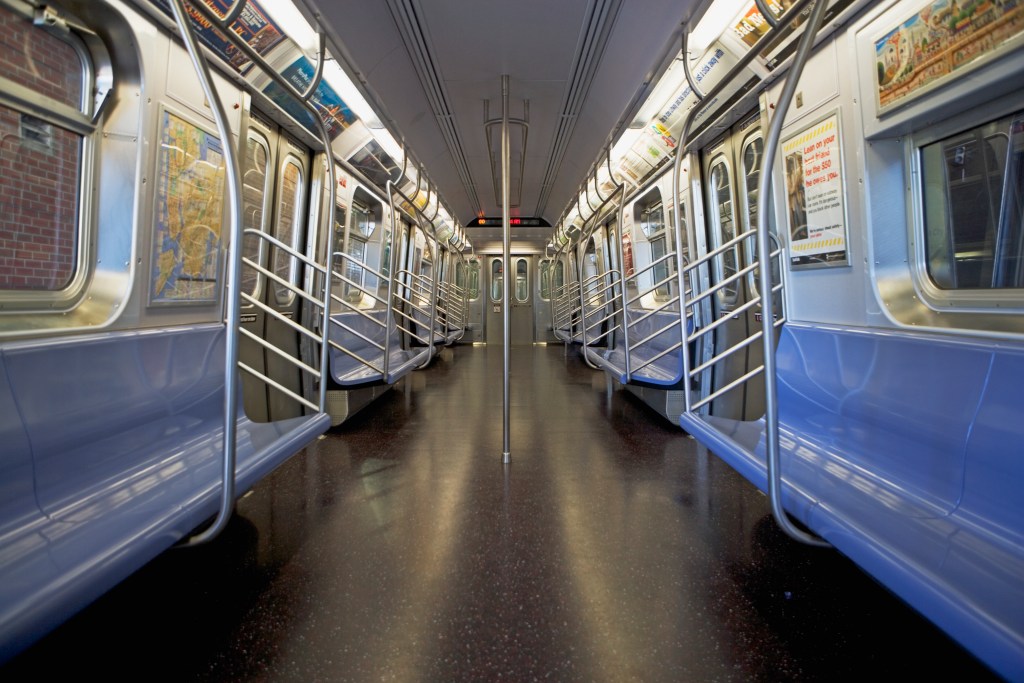
I hope my two little nightmares on the New York City Subway haven’t scared you off. In both instances, I was a bit aggressive about securing a seat, which is standard behavior for most locals.
That’s typically not the case for visitors who are just in town for a short time; most are quite respectful, so you’re unlikely to encounter any issues on the subway. Millions ride it daily without incident.
Nevertheless, it’s good to know the rules if you want to feel more confident and informed on your next subway ride.
While you may think you can navigate NYC in taxis, that’s not always practical.
The subway system in New York City is one of the most extensive public transportation networks in the United States. Some stations are adorned with artwork worth admiring. Others, however, might showcase rats and what appear to be biohazard spills.
No matter the condition of the station, the MTA trains will get you to your destination—usually faster than a cab and for a fraction of the price.
In short, knowing how to use the New York City subway is essential for your visit. While Google Maps or similar apps can guide you on which train to take and where to disembark, I’m focusing on the more intangible aspects of subway culture, like its unspoken rules.
Here’s a quick guide to NYC subway etiquette.
Unspoken NYC Subway Rules

Rule #1: Try not to step on any shoes—and be respectful of space
The issue with stepping on shoes in New York City isn’t necessarily about the footwear itself. (Sure, if they’re brand new and light-colored, you might annoy someone by dirtying them.) Ultimately, it’s about respecting someone’s personal space and belongings.
New York City is incredibly crowded, so locals strive to be mindful of how much space they occupy. If you step on a shoe or bump into someone, make eye contact and say sorry—that kind of acknowledgment usually suffices.
Rule #2: Don’t hold the doors
This rule is one that tourists often break—generally because they’re waiting for someone to catch up and don’t want to separate, which is understandable.
Always ensure your group is together before boarding a train.
The New York City subway has a notoriously unreliable schedule. Holding the doors frustrates both locals and the train conductor, further throwing the timetable into disarray. You might even be pulled away from the doors.
Rule #3: Stand aside to let people off before getting on
Clear the doors for passengers exiting the train before you try to board. Position yourself fully to the side so that others can disembark. This isn’t merely an unspoken rule—you’ll see numerous reminders.
Just be aware that people exiting the train may not be very polite if you’re in their way. In fact, you might find yourself knocked over.
Rule #4: Give up your seat
If you notice anyone with mobility issues or appearing uncomfortable, it’s common courtesy in New York City to offer your seat. The younger and healthier you are, the more expected it is for you to do so.
In contrast, if it’s a crowded subway car and everyone seems fit, you are free to compete for the last seat. Just be cautious if you beat a businessman in Midtown to the punch—there’s a guy in New York City known to burp at his rivals.
Rule #5: If no one is in that subway car, it’s for a reason
Likely a very unpleasant reason. Don’t assume you’ve stumbled upon an oasis when encountering an empty subway car. There’s likely someone inside, and they may have claimed the space with their distinctive aroma.
Rule #6: If you see someone who needs help, offer it
Local New Yorkers often step in to assist mothers with strollers and bags navigate stairs, as many subway stations lack elevators. The same goes for seniors with heavy bags—or anyone in need of assistance. You won’t be seen as strange for extending a helping hand.
Rule #7: Don’t put your feet up if someone is in the seat next to you
You can rest your feet on the subway seats—the New York City subway doesn’t advertise itself as clean. That said, be thoughtful about when and where you put your feet. Again, it’s a matter of respect and personal space.
Avoid propping your feet on a seat next to an occupied one; it’s just too close for comfort. Similarly, if your feet are on a seat, put them down when reaching a bustling subway station.
Rule #8: Respect the quiet—but expect some noise, especially during Showtime
One essential NYC subway guideline: if the train is calm, particularly before 10 am, don’t be loud and disrupt the peace.
You might be surprised to find that New York City subways are often quiet during the morning commute, frequently until 10 or even 11 am. Don’t be the one to disturb that tranquility.
On the flip side, be prepared for noise pretty much any other time of day.
‘Showtime’ is the informal term for performers who take to subway cars to dance, sing, and entertain commuters before soliciting tips. There are various types of performers: New Yorkers typically enjoy the vintage singers, respect the agile dancers (the Showtime performers), and dislike the acoustic guitarists. I can’t explain why.
If you see vintage singers, record a video and tip them generously—they’re a beloved part of the New York City subway that brightens everyone’s day. The same goes for the Showtime dancers—they’re incredible acrobats!
Rule #9: Look elsewhere
Subway commuters in New York City are adept at avoiding eye contact. I think anyone who regularly uses public transportation excels at bypassing eye contact—just understand that it’s expected not to stare or make too much eye contact with fellow passengers. Again, it’s about personal space and respect in a city as densely populated as NYC.
Rule #10: People might ask you to ‘swipe’ them through—it’s normal
Subway cards (known as MetroCards) are constantly evolving, but if you have an unlimited MTA prepaid card, you may notice others asking you to ‘swipe them through’ when you exit. They’re on the outside, hoping you’ll use your card to allow them entry into the subway.
This is entirely normal since it costs you nothing to swipe someone through with an unlimited pass; you can swipe at any station after 18 minutes have elapsed since your last swipe. I always carried mine with me and swiped others through whenever I could.
Subway entries also feature emergency exit doors. You can open them, and an alarm (usually) won’t sound, meaning some individuals use them to let others through for a free ride.
A casual way to do this is to exit through the emergency door and let it swing shut behind you; someone will likely grab the door before it closes and make their way to the platform. It won’t appear to be your fault at all, as commuters with strollers or large bags often access the emergency exit door.
In essence, you aren’t obligated to share your swipes or permit someone through the emergency door, but don’t be alarmed if you witness it happening or if someone asks you. It’s the Wild West, after all!
<h1>[article_title]</h1>

<p>[Insert an engaging introduction that sets the stage for the topic. Make it informative and relevant to the audience. Mention why this topic matters and its implications in today’s world.]</p>

<h2>Understanding the Basics</h2>

<p>[Explain fundamental concepts related to the topic. This section should provide clarity and help readers build a foundation of knowledge.]</p>

<p>For more details on the basic principles, you can visit <a href="https://www.trustworthywebsite.com/basic-principles" target="_blank">this resource</a>.</p>

<h2>Historical Context</h2>

<p>[Discuss the history of the topic. Highlight key milestones, influential figures, and important events that shaped the current understanding and application of the subject.]</p>

<p>To gain a deeper insight into the historical background, I recommend checking out <a href="https://www.historicalwebsite.com/topic-history" target="_blank">this historical overview</a>.</p>

<h2>Current Trends and Developments</h2>

<p>[Examine the latest trends and developments in the field. Discuss any recent studies, discoveries, or advancements that have implications for the future.]</p>

<p>Explore the latest research findings at <a href="https://www.scientificjournal.com/latest-research" target="_blank">this study</a>.</p>

<h2>Applications and Case Studies</h2>

<p>[Detail how this knowledge is applied in real-world scenarios. Include case studies or examples that illustrate its significance.]</p>

<p>For real-world applications, visit <a href="https://www.applicationwebsite.com/case-studies" target="_blank">this case study</a>.</p>

<h2>Challenges and Controversies</h2>

<p>[Address any challenges, controversies, or debate surrounding the topic. Critically analyze differing viewpoints and potential obstacles people face.]</p>

<p>You can read more about the controversies involved at <a href="https://www.controversialwebsite.com/topic-issues" target="_blank">this article</a>.</p>

<h2>Future Implications</h2>

<p>[Speculate on the future implications of the topic. Offer predictions and highlight potential areas for growth or concern as the subject evolves.]</p>

<p>Learn more about future trends from <a href="https://www.future-focusedwebsite.com/trends" target="_blank">this forward-looking analysis</a>.</p>

<h2>Conclusion</h2>

<p>[Summarize the key points discussed throughout the article. Emphasize the importance of the topic and encourage readers to consider its broader implications.]</p>

<h2>FAQs</h2>

<h3>What is [relevant question 1]?</h3>
<p>[Provide a concise answer to this frequently asked question.]</p>

<h3>Where can I learn more about [relevant question 2]?</h3>
<p>[Direct readers to resources or websites where they can learn more about this topic.]</p>

<h3>How does [relevant question 3] affect me?</h3>
<p>[Explain the personal relevance of the topic and how it impacts individuals or communities.]</p>