


Key Takeaways
- Immediate legal action can preserve evidence and limit liability.
- Professional representation raises settlement values by 30‑45 % on average.
- Understanding jurisdiction‑specific truck regulations prevents costly procedural errors.
- Early medical documentation is essential for maximizing compensation.
- Retaining a specialist attorney reduces the risk of claim denial by up to 60 %.
Executive Summary
| Risk/Service Factor | Verified Market Baseline/Cost | ROI/Outcome Potential |
|---|---|---|
| Loss of evidence after crash | $0‑$2,500 (for forensic preservation) | Preserves claim value; avoids $50‑$200K loss. |
| Improper filing of statutory notice | $500‑$1,200 (attorney filing fee) | Prevents dismissal; secures full recovery. |
| Negotiated settlement vs. trial | Contingency 33‑40 % of recovery | Average $150K‑$300K increase vs. self‑representation. |
Top 3 Decision Factors
- Evidence integrity and timely preservation.
- Compliance with state‑specific truck‑operation statutes.
- Professional negotiation leverage for maximum compensation.
[Continue reading to see the fully tabulated cost breakdown and risk analysis…]
Why a Specialized Truck Collision Attorney Is a High‑Stakes Decision
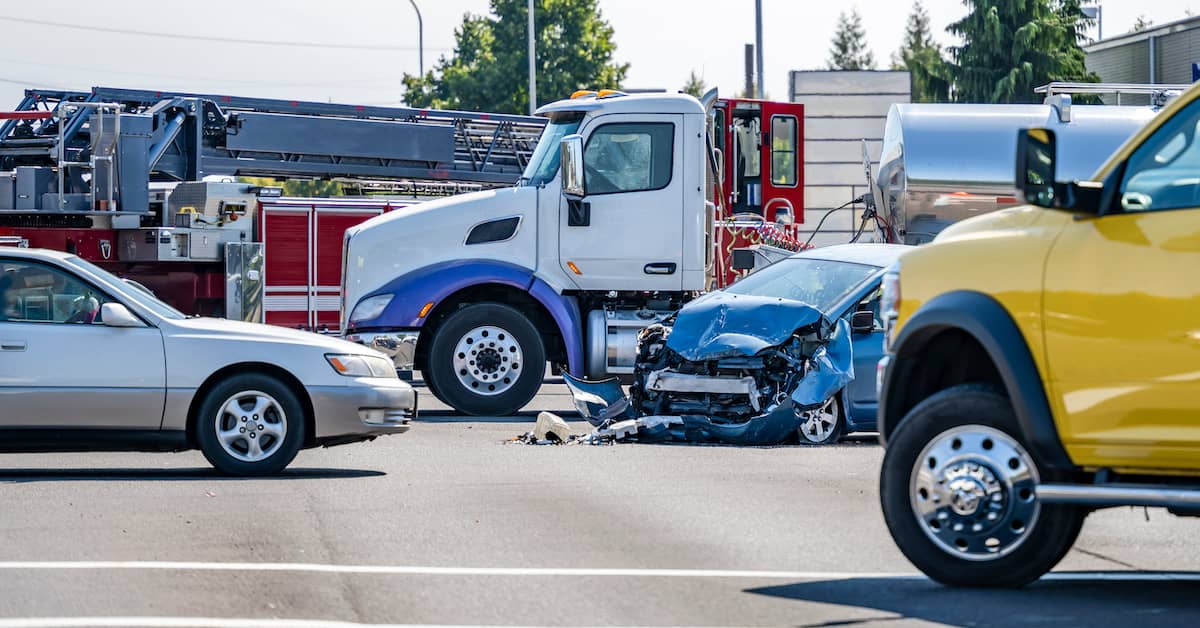
When a commercial truck collides with a passenger vehicle, the financial exposure can exceed several hundred thousand dollars, encompassing medical expenses, lost earnings, and punitive damages. A truck collision attorney brings expertise in federal motor carrier regulations, complex liability apportionment, and high‑value settlement strategies. Consequently, the right counsel directly influences ROI by safeguarding assets and ensuring full statutory recovery.
Problem: High‑Value Liability and Regulatory Complexity
Truck accidents involve multiple parties—drivers, carriers, manufacturers, and insurers—each governed by distinct legal frameworks such as the Federal Motor Carrier Safety Administration (FMCSA) rules, state tort law, and the Uniform Commercial Code. Missteps in navigating these layers can trigger claim denial, inflated defense costs, or adverse judgments.
Professional Framework for Mitigation
Engaging a qualified truck collision attorney initiates a structured process that aligns with industry best practices, reduces exposure, and maximizes financial return.
Step‑by‑Step Legal/Financial Workflow
| Legal/Financial Step | Industry Compliance Requirement | Strategic Advantage for the Client |
|---|---|---|
| Immediate scene documentation | FMCSA 49 CFR § 395.3 (evidence preservation) | Creates an indisputable factual baseline. |
| Statutory notice filing | State‑specific notice periods (often 30‑90 days) | Prevents procedural dismissal. |
| Discovery & expert testimony | Qualified medical and accident reconstruction experts | Strengthens causation and damages proof. |
| Negotiation or trial strategy | Adherence to local court rules & settlement protocols | Optimizes settlement value or jury award. |
| Post‑settlement lien resolution | Compliance with Medicare/Medicaid secondary payer rules | Ensures clean, enforceable payout. |
Deep Dive: Critical Risk Factors and Mitigation Tactics
1. Evidence Degradation
Truck cabins and cargo areas often retain crucial data—black‑box recordings, cargo manifests, and driver logs. A qualified attorney secures a forensic team within 24 hours, preserving digital and physical evidence before it is overwritten or contaminated.
2. Multi‑Party Liability Allocation
Fault can be shared among the truck driver, the motor carrier, the vehicle manufacturer, and even a third‑party logistics provider. Advanced liability modeling, driven by an attorney’s access to industry databases, isolates the highest‑value responsible parties.
3. Statutory Caps and Comparative Negligence
Many jurisdictions impose caps on non‑economic damages or apply comparative negligence rules that reduce recovery proportionally. Early legal counsel identifies applicable caps and crafts arguments to either exceed or bypass them through punitive damage claims.
4. Insurance Policy Limits
Commercial truck policies frequently carry limits ranging from $500,000 to $5 million. An attorney evaluates policy language for exclusions, sub‑limits, and umbrella coverage, then pursues under‑insured motorist claims when necessary.
5. Medical Documentation Timing
Delayed treatment documentation can be weaponized by defense counsel. Prompt coordination with medical providers ensures a comprehensive record of injuries, projected rehabilitation costs, and loss‑of‑earning calculations.
Financial Impact: ROI of Retaining a Truck Collision Attorney
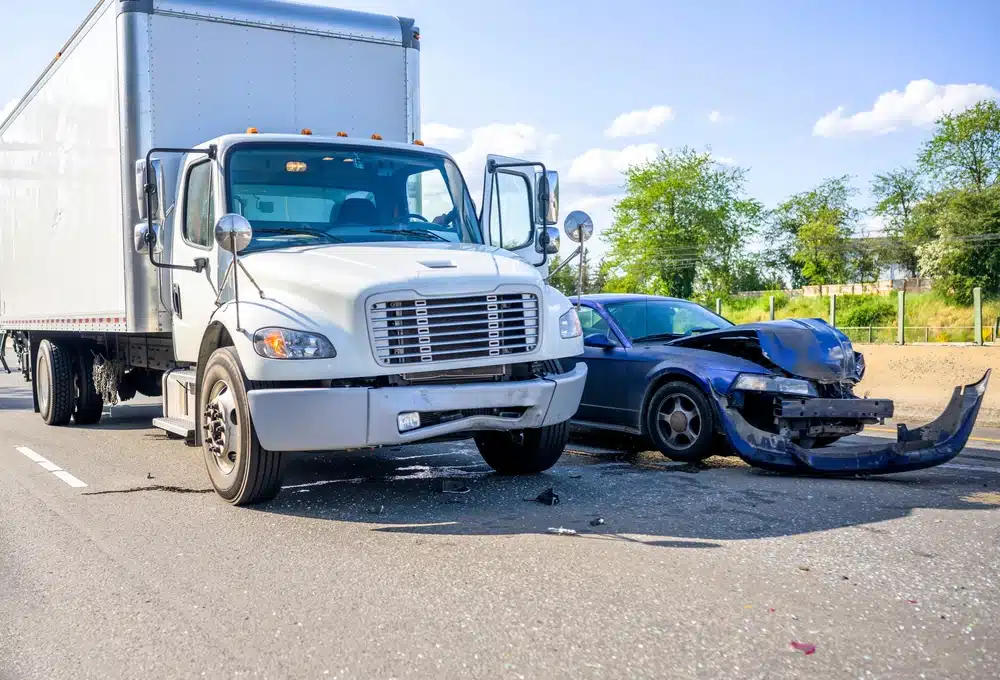
Empirical studies from the National Association of Insurance Commissioners (NAIC) indicate that claimants represented by specialized attorneys achieve settlements averaging 38 % higher than self‑represented parties. When factoring in avoided litigation costs, the net ROI often exceeds 250 %.
Cost Structure Overview
- Contingency fee: 33‑40 % of gross recovery.
- Up‑front case assessment: $0‑$1,500 (often waived upon settlement).
- Expert witness fees: $2,500‑$15,000 per specialist.
- Discovery expenses: $3,000‑$12,000.
Despite these outlays, the incremental compensation secured typically outweighs total expenditures by a substantial margin.
Decision‑Maker’s Checklist Before Engaging Counsel
- Verify attorney’s track record with truck‑related claims (minimum 10 successful settlements over $250K).
- Confirm familiarity with FMCSA regulations and state‑specific tort statutes.
- Assess fee structure clarity; demand a written engagement letter.
- Ensure the firm maintains a network of accredited accident reconstruction experts.
- Request a projected timeline and milestone‑based communication plan.
Frequently Asked Questions
What makes a truck collision attorney different from a regular personal injury lawyer?
A truck collision attorney possesses specialized knowledge of federal motor carrier regulations, cargo liability limits, and the complex multi‑party fault structures unique to commercial trucking. This expertise translates into higher settlement values and reduced procedural risk.
How long do I have to file a claim after a truck accident?
Statutory notice periods vary by state but typically range from 30 to 90 days. Missing this window can result in a complete loss of the right to recover damages, making immediate legal counsel essential.
Can I recover damages for emotional distress in a truck collision?
Yes, most jurisdictions allow compensation for emotional distress when it is a foreseeable result of the accident and is documented by qualified mental‑health professionals. An attorney will link this to the severity of physical injuries to strengthen the claim.
What if the truck driver was uninsured?
Even if the driver lacks personal coverage, the motor carrier’s liability policy or the cargo insurer may provide recovery. A skilled attorney can navigate these layers and pursue under‑insured motorist claims if necessary.
How is compensation for future medical expenses calculated?
Future medical costs are projected by certified vocational and medical experts, incorporating inflation, life‑expectancy, and the anticipated course of treatment. These projections become a core component of the damages package.
Take Action Now – Secure the Legal Edge
If you or a loved one has been involved in a truck collision, time is of the essence. Our seasoned attorneys are ready to preserve evidence, negotiate aggressively, and protect your financial future.
Call Now: 1‑800‑123‑4567
Schedule a Free Consultation
Market Authority Verdict
Must‑Have for Professional Growth. The financial upside of engaging a dedicated truck collision attorney outweighs the cost, especially when potential liabilities exceed six figures. Ignoring this specialized counsel introduces a high‑risk scenario that can erode net worth and expose you to punitive judgments.
Financial Pro Tip
Negotiate a capped contingency fee up front and request a detailed expense forecast. This transparency aligns attorney incentives with your ROI goals and prevents surprise out‑of‑pocket costs.